Buy 䩄.com ?
We are moving the project
䩄.com .
Are you interested in purchasing the domain
䩄.com ?
domain@kv-gmbh.de · 0541-91531010
Buy 䩄.com ?
Are traditional crafts disappearing?
Traditional crafts are indeed at risk of disappearing due to various factors such as modernization, globalization, and changing consumer preferences. Many younger generations are not pursuing these crafts as careers, leading to a decline in the number of skilled artisans. Additionally, mass production and cheaper alternatives are making it difficult for traditional crafts to compete in the market. Efforts are being made to preserve and promote these crafts through initiatives like cultural heritage programs and artisan cooperatives. **
Do you prefer textiles or crafts and why?
I don't have a preference between textiles and crafts because I appreciate both for their unique qualities. Textiles offer a wide range of materials and techniques for creating functional and decorative items, while crafts encompass a variety of artistic and practical skills that can be applied to different mediums. Both textiles and crafts allow for creativity and self-expression, making them equally enjoyable to work with. **


Similar search terms for Probability
Top-Angebote
Products related to Probability:
-
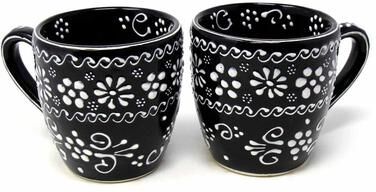
Global Crafts Handmade Encantada Pottery Mugs, InkThis traditional Mexican pottery is crafted and hand-painted by artisans in Mexico using traditional pottery techniques. Each piece is highly textured and unique; these pieces are gorgeous, yet very functional.37,83 $*Shipping: 0,00 $Secure redirect to the provider


-
What distinguishes conditional probability from independent probability?
Conditional probability is the probability of an event occurring given that another event has already occurred. It takes into account the information about the occurrence of one event when calculating the probability of another event. Independent probability, on the other hand, is the probability of one event occurring without any influence from the occurrence of another event. In other words, conditional probability is influenced by the occurrence of a specific event, while independent probability is not influenced by any other event. **
-
What is a probability space in probability theory?
A probability space in probability theory consists of three components: a sample space, an event space, and a probability measure. The sample space is the set of all possible outcomes of an experiment, the event space is a collection of subsets of the sample space representing different events, and the probability measure assigns a probability to each event in the event space. Together, these components define the mathematical framework for analyzing the likelihood of different outcomes in a probabilistic setting. **
-
What are the rules of probability in probability theory?
In probability theory, the rules of probability govern how probabilities are calculated and combined. The rules include the addition rule, which states that the probability of either of two mutually exclusive events occurring is the sum of their individual probabilities. The multiplication rule is used to calculate the probability of two independent events both occurring. Additionally, the complement rule states that the probability of an event not occurring is 1 minus the probability of the event occurring. These rules are fundamental in determining the likelihood of different outcomes in various situations. **
-
What is the probability in percent in probability theory?
In probability theory, the probability of an event is a measure of the likelihood that the event will occur. It is usually expressed as a number between 0 and 1, or as a percentage between 0% and 100%. A probability of 0% means the event is impossible, while a probability of 100% means the event is certain to occur. The probability of an event can be calculated using various methods, such as counting outcomes, using probability distributions, or applying statistical techniques. **

How do you correctly calculate probability in probability theory?
In probability theory, the probability of an event occurring is calculated by dividing the number of favorable outcomes by the total number of possible outcomes. This can be represented as P(A) = (Number of favorable outcomes) / (Total number of possible outcomes). It is important to ensure that all possible outcomes are accounted for and that the favorable outcomes are correctly identified. Additionally, the probability of multiple events occurring can be calculated using the multiplication rule for independent events or the addition rule for mutually exclusive events. **
With what probability?
With what probability? The probability of an event occurring is a measure of how likely it is to happen, expressed as a number between 0 and 1. The probability of an event that is certain to happen is 1, while the probability of an event that is impossible is 0. Probabilities between 0 and 1 indicate the likelihood of an event occurring, with higher probabilities indicating a greater likelihood. **
Top-Angebote
Products related to Probability:
-
Are traditional crafts disappearing?
Traditional crafts are indeed at risk of disappearing due to various factors such as modernization, globalization, and changing consumer preferences. Many younger generations are not pursuing these crafts as careers, leading to a decline in the number of skilled artisans. Additionally, mass production and cheaper alternatives are making it difficult for traditional crafts to compete in the market. Efforts are being made to preserve and promote these crafts through initiatives like cultural heritage programs and artisan cooperatives. **
-
Do you prefer textiles or crafts and why?
I don't have a preference between textiles and crafts because I appreciate both for their unique qualities. Textiles offer a wide range of materials and techniques for creating functional and decorative items, while crafts encompass a variety of artistic and practical skills that can be applied to different mediums. Both textiles and crafts allow for creativity and self-expression, making them equally enjoyable to work with. **
-
What distinguishes conditional probability from independent probability?
Conditional probability is the probability of an event occurring given that another event has already occurred. It takes into account the information about the occurrence of one event when calculating the probability of another event. Independent probability, on the other hand, is the probability of one event occurring without any influence from the occurrence of another event. In other words, conditional probability is influenced by the occurrence of a specific event, while independent probability is not influenced by any other event. **
-
What is a probability space in probability theory?
A probability space in probability theory consists of three components: a sample space, an event space, and a probability measure. The sample space is the set of all possible outcomes of an experiment, the event space is a collection of subsets of the sample space representing different events, and the probability measure assigns a probability to each event in the event space. Together, these components define the mathematical framework for analyzing the likelihood of different outcomes in a probabilistic setting. **
Similar search terms for Probability
-
Global Crafts Handmade Encantada Pottery Mugs, InkThis traditional Mexican pottery is crafted and hand-painted by artisans in Mexico using traditional pottery techniques. Each piece is highly textured and unique; these pieces are gorgeous, yet very functional.37,83 $*Shipping: 0,00 $Secure redirect to the provider
-
Global Crafts Handmade Carved Soapstone Menorah, White EtchedMake your menorah modern for this year's Hanukkah with this sleek soapstone piece of art! Hand carved by African craftsmen, this menorah is an elegant way to illuminate each night of Hanukkah.151,99 $*Shipping: 0,00 $Secure redirect to the provider
-
What are the rules of probability in probability theory?
In probability theory, the rules of probability govern how probabilities are calculated and combined. The rules include the addition rule, which states that the probability of either of two mutually exclusive events occurring is the sum of their individual probabilities. The multiplication rule is used to calculate the probability of two independent events both occurring. Additionally, the complement rule states that the probability of an event not occurring is 1 minus the probability of the event occurring. These rules are fundamental in determining the likelihood of different outcomes in various situations. **
-
What is the probability in percent in probability theory?
In probability theory, the probability of an event is a measure of the likelihood that the event will occur. It is usually expressed as a number between 0 and 1, or as a percentage between 0% and 100%. A probability of 0% means the event is impossible, while a probability of 100% means the event is certain to occur. The probability of an event can be calculated using various methods, such as counting outcomes, using probability distributions, or applying statistical techniques. **
-
How do you correctly calculate probability in probability theory?
In probability theory, the probability of an event occurring is calculated by dividing the number of favorable outcomes by the total number of possible outcomes. This can be represented as P(A) = (Number of favorable outcomes) / (Total number of possible outcomes). It is important to ensure that all possible outcomes are accounted for and that the favorable outcomes are correctly identified. Additionally, the probability of multiple events occurring can be calculated using the multiplication rule for independent events or the addition rule for mutually exclusive events. **
-
With what probability?
With what probability? The probability of an event occurring is a measure of how likely it is to happen, expressed as a number between 0 and 1. The probability of an event that is certain to happen is 1, while the probability of an event that is impossible is 0. Probabilities between 0 and 1 indicate the likelihood of an event occurring, with higher probabilities indicating a greater likelihood. **
* All prices are inclusive of VAT and, if applicable, plus shipping costs. The offer information is based on the details provided by the respective shop and is updated through automated processes. Real-time updates do not occur, so deviations can occur in individual cases. ** Note: Parts of this content were created by AI.