Buy 䩄.com ?
We are moving the project
䩄.com .
Are you interested in purchasing the domain
䩄.com ?
domain@kv-gmbh.de · 0541-91531010
Buy 䩄.com ?
Are traditional crafts disappearing?
Traditional crafts are indeed at risk of disappearing due to various factors such as modernization, globalization, and changing consumer preferences. Many younger generations are not pursuing these crafts as careers, leading to a decline in the number of skilled artisans. Additionally, mass production and cheaper alternatives are making it difficult for traditional crafts to compete in the market. Efforts are being made to preserve and promote these crafts through initiatives like cultural heritage programs and artisan cooperatives. **
Do you prefer textiles or crafts and why?
I don't have a preference between textiles and crafts because I appreciate both for their unique qualities. Textiles offer a wide range of materials and techniques for creating functional and decorative items, while crafts encompass a variety of artistic and practical skills that can be applied to different mediums. Both textiles and crafts allow for creativity and self-expression, making them equally enjoyable to work with. **

Similar search terms for Costs
Top-Angebote
Products related to Costs:
-
Global Crafts Handmade Encantada Pottery Mugs, InkThis traditional Mexican pottery is crafted and hand-painted by artisans in Mexico using traditional pottery techniques. Each piece is highly textured and unique; these pieces are gorgeous, yet very functional.37,83 $*Shipping: 0,00 $Secure redirect to the provider




-
Are labor costs fixed or variable costs?
Labor costs are typically considered variable costs because they fluctuate based on the level of production or services provided. As the amount of work increases, labor costs also increase. Conversely, if production decreases, labor costs will decrease as well. Fixed costs, on the other hand, remain constant regardless of the level of production. **
-
Why are direct costs considered opportunity costs?
Direct costs are considered opportunity costs because when a company chooses to allocate resources to a particular project or investment, it is forgoing the opportunity to use those resources in an alternative way. By using resources for a specific purpose, the company is giving up the potential benefits that could have been gained from using those resources elsewhere. Therefore, direct costs represent the value of the next best alternative that the company is giving up in order to pursue a particular opportunity. In this way, direct costs are a reflection of the opportunity cost of using resources in a specific manner. **
-
Hello everyone, I need to define the following terms: additional costs, different costs, variable costs, and fixed costs.
Additional costs refer to any extra expenses incurred beyond the initial or expected costs. Different costs are the various types of expenses that a business or individual may encounter, such as operating costs, production costs, or overhead costs. Variable costs are expenses that fluctuate with the level of production or sales, such as raw materials or labor. Fixed costs are expenses that remain constant regardless of the level of production or sales, such as rent, insurance, or salaries. **
-
Which costs are considered as ancillary wage costs?
Ancillary wage costs typically include expenses such as employer contributions to social security, health insurance, retirement plans, unemployment insurance, and other benefits provided to employees. These costs are in addition to an employee's base salary and are essential for calculating the total cost of employing a worker. Ancillary wage costs can vary depending on the country's labor laws and the specific benefits offered by the employer. **

Are all costs included in the production costs?
No, not all costs are included in production costs. Production costs typically include direct costs such as materials, labor, and overhead directly related to the manufacturing process. However, other costs such as marketing, distribution, and administrative expenses are not considered part of production costs but are factored into the overall cost of goods sold. These additional costs are important to consider when determining the total cost and profitability of a product. **
Are implicit costs the same as opportunity costs?
Implicit costs and opportunity costs are related concepts, but they are not exactly the same. Implicit costs refer to the non-monetary costs of using resources that a firm already owns, such as the opportunity cost of using its own capital or labor. On the other hand, opportunity costs are the value of the next best alternative that is foregone when a decision is made. While implicit costs are a type of opportunity cost, opportunity costs can also include explicit costs, such as the actual monetary expenses incurred. Therefore, while implicit costs are a component of opportunity costs, they are not synonymous. **
Top-Angebote
Products related to Costs:
-
Are traditional crafts disappearing?
Traditional crafts are indeed at risk of disappearing due to various factors such as modernization, globalization, and changing consumer preferences. Many younger generations are not pursuing these crafts as careers, leading to a decline in the number of skilled artisans. Additionally, mass production and cheaper alternatives are making it difficult for traditional crafts to compete in the market. Efforts are being made to preserve and promote these crafts through initiatives like cultural heritage programs and artisan cooperatives. **
-
Do you prefer textiles or crafts and why?
I don't have a preference between textiles and crafts because I appreciate both for their unique qualities. Textiles offer a wide range of materials and techniques for creating functional and decorative items, while crafts encompass a variety of artistic and practical skills that can be applied to different mediums. Both textiles and crafts allow for creativity and self-expression, making them equally enjoyable to work with. **
-
Are labor costs fixed or variable costs?
Labor costs are typically considered variable costs because they fluctuate based on the level of production or services provided. As the amount of work increases, labor costs also increase. Conversely, if production decreases, labor costs will decrease as well. Fixed costs, on the other hand, remain constant regardless of the level of production. **
-
Why are direct costs considered opportunity costs?
Direct costs are considered opportunity costs because when a company chooses to allocate resources to a particular project or investment, it is forgoing the opportunity to use those resources in an alternative way. By using resources for a specific purpose, the company is giving up the potential benefits that could have been gained from using those resources elsewhere. Therefore, direct costs represent the value of the next best alternative that the company is giving up in order to pursue a particular opportunity. In this way, direct costs are a reflection of the opportunity cost of using resources in a specific manner. **
Similar search terms for Costs
-
Global Crafts Handmade Encantada Pottery Mugs, InkThis traditional Mexican pottery is crafted and hand-painted by artisans in Mexico using traditional pottery techniques. Each piece is highly textured and unique; these pieces are gorgeous, yet very functional.37,83 $*Shipping: 0,00 $Secure redirect to the provider
-
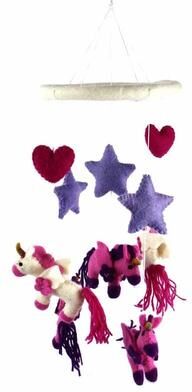
Global Crafts Handmade Blue Mermaid Felt Nursery MobileBeautifully hand-felted in Nepal, this mobile features three elegant multi-cultural mermaids floating among stars. Beautiful room decor in a nursery, kids room, or mermaid themed room. Hangs approximately 23 inches.45,49 $*Shipping: 0,00 $Secure redirect to the provider
-
Hello everyone, I need to define the following terms: additional costs, different costs, variable costs, and fixed costs.
Additional costs refer to any extra expenses incurred beyond the initial or expected costs. Different costs are the various types of expenses that a business or individual may encounter, such as operating costs, production costs, or overhead costs. Variable costs are expenses that fluctuate with the level of production or sales, such as raw materials or labor. Fixed costs are expenses that remain constant regardless of the level of production or sales, such as rent, insurance, or salaries. **
-
Which costs are considered as ancillary wage costs?
Ancillary wage costs typically include expenses such as employer contributions to social security, health insurance, retirement plans, unemployment insurance, and other benefits provided to employees. These costs are in addition to an employee's base salary and are essential for calculating the total cost of employing a worker. Ancillary wage costs can vary depending on the country's labor laws and the specific benefits offered by the employer. **
-
Are all costs included in the production costs?
No, not all costs are included in production costs. Production costs typically include direct costs such as materials, labor, and overhead directly related to the manufacturing process. However, other costs such as marketing, distribution, and administrative expenses are not considered part of production costs but are factored into the overall cost of goods sold. These additional costs are important to consider when determining the total cost and profitability of a product. **
-
Are implicit costs the same as opportunity costs?
Implicit costs and opportunity costs are related concepts, but they are not exactly the same. Implicit costs refer to the non-monetary costs of using resources that a firm already owns, such as the opportunity cost of using its own capital or labor. On the other hand, opportunity costs are the value of the next best alternative that is foregone when a decision is made. While implicit costs are a type of opportunity cost, opportunity costs can also include explicit costs, such as the actual monetary expenses incurred. Therefore, while implicit costs are a component of opportunity costs, they are not synonymous. **
* All prices are inclusive of VAT and, if applicable, plus shipping costs. The offer information is based on the details provided by the respective shop and is updated through automated processes. Real-time updates do not occur, so deviations can occur in individual cases. ** Note: Parts of this content were created by AI.